


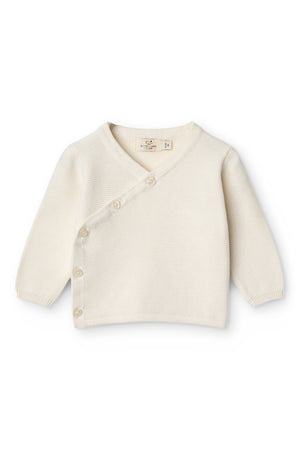

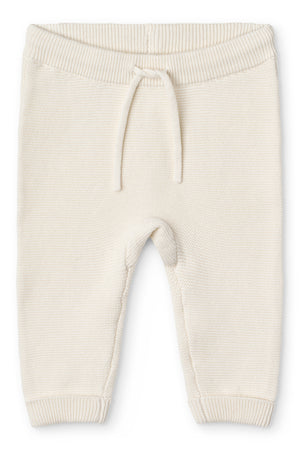
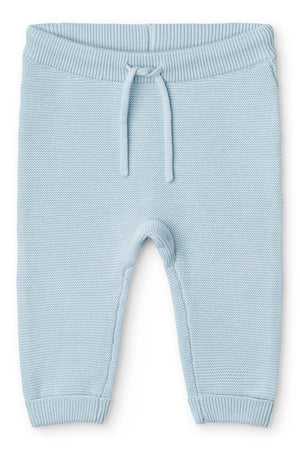


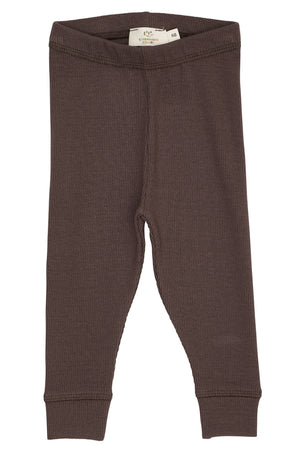


A Home That Holds It All
Love, Family Life & Memories
32-year-old Mathilde Gislinge talks about what it is like to be a family of five, with three children, a mum and a dad. She shares how they initially thought that living closer to nature and surrounded by more greenery would be the right choice for their family, only to realise that the energy and vibrancy of city life drew them in more.
She also opens up about losing a child and the impact it has had on the whole family and the way they live their lives today. Mathilde also shares her best tips for creating a cosy children’s room that embraces and reflects your child’s personality.
What is it like being a family with three children?
“It's wild, wonderful, fun and hard.”
How do you manage to keep up with everyday life – the laundry, cooking and everything else that comes with a busy family life?
“We don’t. I don’t really think it’s possible to keep up with everything. You’re always a little behind. But I’m trying to learn to accept that it’s okay if the house is messy and there’s laundry everywhere. We’re not very good at just letting it be, but we’re learning. My husband and I remind each other that everything will be okay.”
What is the relationship between your children like?
“Surprisingly good. We were worried there might be a reaction when we had our third child, but there really hasn’t been one at all. They genuinely love each other. Knud never needs to be entertained because his two big sisters are constantly entertaining him.”
You moved from Holte to Frederiksberg. How has that been?
“We feel incredibly free. We love going for walks to get a coffee, an ice cream or to the playground. There are so many possibilities. We love taking the bus somewhere just for the sake of it. And we spend a lot of time at Copenhagen Zoo and Frederiksberg Gardens.”


Mathilde’s family life on Frederiksberg is filled with a sense of warmth and togetherness. But their journey to where they are today has not been without heartbreak. The family carries a deep loss, as their first son, Henning, was stillborn.
How does the loss affect you today? And what has losing your first son, Henning, meant for you as a family?
“It has probably been very defining for the way we parent. We’re not going to have any more children, as the pregnancies and births have been very complicated, and that is something my husband and I have had to work through. But I think it has changed the way we live our lives. Our family calls us ‘jubelidioter’ – basically overly optimistic people – because we usually manage to turn things into something positive and don’t let what we consider small things weigh us down too much. As long as our children are healthy, happy and well, we can handle most things.”
How have you become more positive in your everyday life?
“Everything you experience in life puts things into perspective. And in the beginning, after we lost our son, I spent a lot of time feeling like nobody understood me. Suddenly, my perspective was completely different from everyone else’s. I found it difficult when people cried over small things because I had just given birth to a stillborn baby. And although I’ve become much better at making room for other people’s feelings, I still feel that I don’t want to let small things get me down. For example, we’re currently up a lot at night because Knud is teething. But so what? He’s healthy and well. We can sleep when we’re old. It doesn’t get to me. And at least he’s not dead.”
Do you have any advice for someone trying to move forward after losing a child?
“Talk about it. I completely shut myself away for several months because I didn’t want to see or talk to anyone. I had this feeling that nobody understood me. But try to make it feel natural to tell people that you have given birth to a stillborn child, just as naturally as you would tell them that you have given birth to a living child. Some of our parents came to the hospital to see him, and that also meant they could later say that some of our children look like him. We’ve also talked to our children about him. It means it doesn’t become a taboo, and you don’t get that knot in your stomach when you talk about it.”

How have you talked to your children about the loss?
“It’s mostly Ingrid who understands it. I can’t remember exactly when we first started talking about it. We have a picture of his hands and feet, and she started asking what they were. So we told her that she had an older brother in heaven called Henning. We didn’t explain much more than that, so she could ask questions herself. Sometimes we’ll be sitting around the dinner table and she’ll ask why he died. She might also tell a stranger at kindergarten that she has an older brother in heaven. Children are so straightforward, and somehow they make it a little less frightening to talk about. I find that very liberating.”
Do you have any traditions or special days when you remember Henning?
“We have a gravesite, and in the beginning we would go there on his birthday, which was also the day he died. I would sometimes just run there. At first, I put a lot of pressure on myself to keep the grave looking nice and to visit it often. It became more of an obligation than something I actually wanted to do. Now it feels much more natural. We were all there recently because Ingrid asked if she could go. We picked a small bouquet from the garden and put it there. It’s important to me that it is a good moment for all of us when we visit, and that we don’t go because we feel obligated or guilty.”
Mathilde ends the interview with a thought that captures the way the family tries to live:
“I think what we generally try to live by is that we should embrace the chaos. There’s no point in waiting for the children to go to sleep, grow older or start kindergarten so that you can finally have a ‘break’. Do everything with your children. Go out for dinner, travel with them – because then you don’t put limitations on yourself either. Make an ordinary weekday special by dancing to an MGP song and having fun. Love all of it. Love the moment you’re in.”


Interiors
What is an absolute must-have in a child’s room?
“Something soft. A duvet, pillows, curtains or a rug that creates a cosy atmosphere and makes the room feel safe and comfortable.”
How have you created different rooms for your children and their individual personalities?
“The children are very different, so it’s actually been quite easy. In Gertrud’s room, the things she plays with the most are what take centre stage. Ingrid loves crafts, glittery dresses and pink, so I’ve really gone all in on that. In Knud’s room, I’ve gone all in on a more traditionally boyish theme – blue colours, dinosaurs and tractors. In general, I’m very happy for toys to be scattered across the floor. That’s part of the interior. The room should invite them to come in and play.”
If you have a limited budget and want to create a cosy children’s room, where should you start?
“We buy a lot of vintage pieces on DBA and at flea markets. We love buying old furniture, which I either paint or leave as it is.For example, there’s a completely stripped-back old cabinet in Ingrid’s room, but I actually think it’s really cosy. It gives the room a personality that you can’t get from IKEA or another brand. Think vintage for the walls too – old posters and pictures in beautiful colours can really make a difference.”


